
What to Eat After 60: Top Superfoods to Boost Energy and Longevity
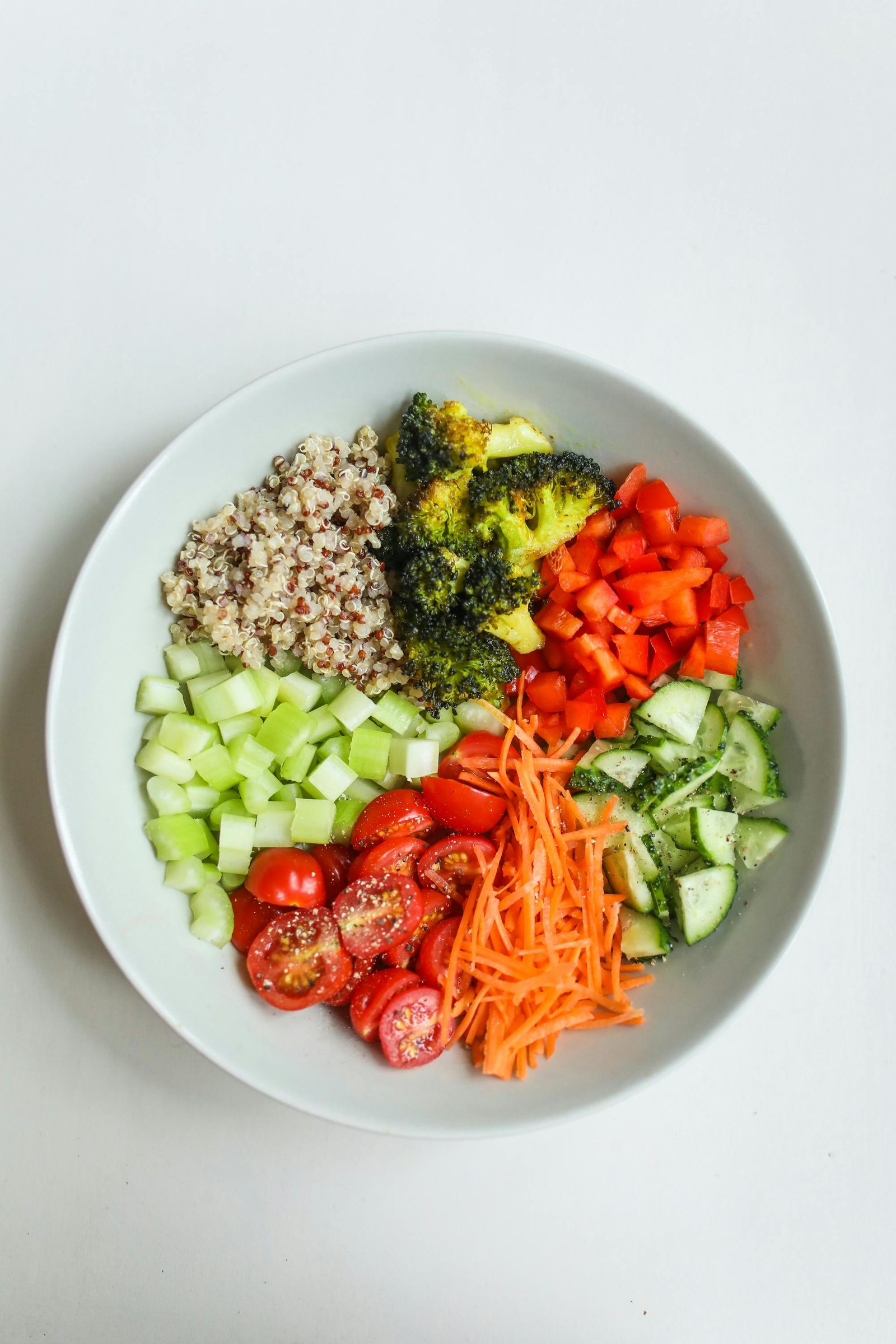
What to Eat After 60: Top Superfoods to Boost Energy and Longevity
As we age, our bodies need fewer calories—but more nutrients. After 60, what you eat has a direct impact on your energy levels, immune system, bone health, and even brain function. The good news? You don’t need a complicated diet to feel your best—you just need the right foods.
This article breaks down the top superfoods for adults over 60 that support healthy aging, plus simple ways to add them to your meals.
Why Nutrition Needs Change After 60
Aging affects digestion, metabolism, and nutrient absorption. That means it’s more important than ever to choose nutrient-dense foods that pack a lot of health benefits into every bite.
Common concerns after 60 include:
- Slower metabolism and weight gain
- Decreased bone density
- Higher risk of chronic diseases (heart, diabetes, inflammation)
- Digestive issues and reduced appetite
- Muscle loss and reduced energy
That’s where superfoods come in—they’re rich in essential vitamins, minerals, antioxidants, and fiber that help you feel strong and energized.
Top Superfoods for Adults Over 60
1. Leafy Greens (Spinach, Kale, Swiss Chard) Rich in: Vitamin K, calcium, folate, and fiber Benefits: Supports bone health, brain function, and heart health How to eat it: Add to salads, soups, or smoothies
2. Berries (Blueberries, Strawberries, Raspberries) Rich in: Antioxidants and vitamin C Benefits: Fights inflammation, supports memory, and boosts immunity How to eat it: Add to yogurt, oatmeal, or eat as a snack
3. Fatty Fish (Salmon, Sardines, Mackerel) Rich in: Omega-3 fatty acids Benefits: Reduces risk of heart disease, supports brain and joint health How to eat it: Bake, grill, or add to salads 2–3 times a week
4. Nuts and Seeds (Almonds, Walnuts, Chia Seeds) Rich in: Healthy fats, protein, magnesium Benefits: Good for heart health, brain function, and satiety How to eat it: Sprinkle on cereal, yogurt, or eat as a snack
5. Whole Grains (Oats, Brown Rice, Quinoa) Rich in: Fiber, B vitamins, complex carbs Benefits: Supports digestion, stabilizes blood sugar, and provides steady energy How to eat it: Use as a base for meals or breakfast bowls
6. Greek Yogurt or Kefir Rich in: Calcium, probiotics, and protein Benefits: Supports gut health and bone strength How to eat it: Have as breakfast or a snack with fruit and nuts
7. Beans and Lentils Rich in: Protein, fiber, iron Benefits: Supports muscle maintenance and heart health How to eat it: Add to soups, salads, or stews
8. Sweet Potatoes Rich in: Beta-carotene, potassium, fiber Benefits: Great for vision, immune function, and digestion How to eat it: Roast, mash, or add to grain bowls
9. Avocados Rich in: Healthy fats, potassium, and fiber Benefits: Supports heart health and nutrient absorption How to eat it: Spread on toast or add to salads
10. Green Tea Rich in: Antioxidants (catechins) Benefits: Supports brain health and may reduce cancer risk How to consume: Enjoy hot or cold between meals
Smart Eating Tips for 60+
- Stay hydrated—older adults are more prone to dehydration
- Eat smaller meals more often if your appetite is low
- Choose whole foods over processed ones
- Limit added sugar and sodium
- Include a source of protein at each meal to preserve muscle
Simple Daily Meal Plan Example
Breakfast: Oatmeal with berries and chia seeds Lunch: Quinoa salad with leafy greens, beans, and avocado Snack: Greek yogurt with walnuts Dinner: Baked salmon with sweet potato and steamed spinach Beverages: Water, green tea, or herbal tea
Final Thoughts
Eating well after 60 doesn’t mean giving up your favorite foods—it means adding in the nutrient-rich choices that help you stay strong, sharp, and energized. By focusing on whole, simple ingredients, you’ll fuel your body to age with health and vitality.
Start small, stay consistent, and enjoy the benefits of eating with purpose.