
The Ultimate Guide to Supplements for People Over 60: What Works and What Doesn’t
The Ultimate Guide to Supplements for People Over 60: What Works and What Doesn’t
As we age, getting all the nutrients we need from food alone becomes more challenging. Slower digestion, medication interactions, and changing appetites can all lead to nutrient gaps. That’s where supplements can help—but not all are necessary, and some can even do more harm than good.
In this guide, we’ll break down the most important supplements for adults over 60, which ones are worth your money, and which you might want to skip.
Do You Need Supplements After 60?
The short answer: maybe.
Supplements aren’t a replacement for a balanced diet, but they can support health when certain nutrients are harder to get from food alone. Common reasons older adults may benefit from supplements:
- Lower stomach acid reduces nutrient absorption
- Restricted diets due to medical conditions
- Less time outdoors (vitamin D)
- Medications that interfere with nutrient levels
- Bone, joint, or cognitive health concerns
Always consult your doctor before starting a supplement—especially if you're taking medications or have chronic health conditions.
Essential Supplements That Often Benefit Adults Over 60
1. Vitamin D Supports: Bone health, immunity, muscle function Why: Many seniors don’t get enough sun exposure Dose: 600–800 IU/day (check blood levels before supplementing)
2. Calcium Supports: Bone density and nerve function Why: Reduced absorption and risk of osteoporosis Dose: 1,000–1,200 mg/day from food + supplements
3. Vitamin B12 Supports: Nerve health, memory, energy Why: Absorption decreases with age Dose: 2.4 mcg/day; often higher in supplement form
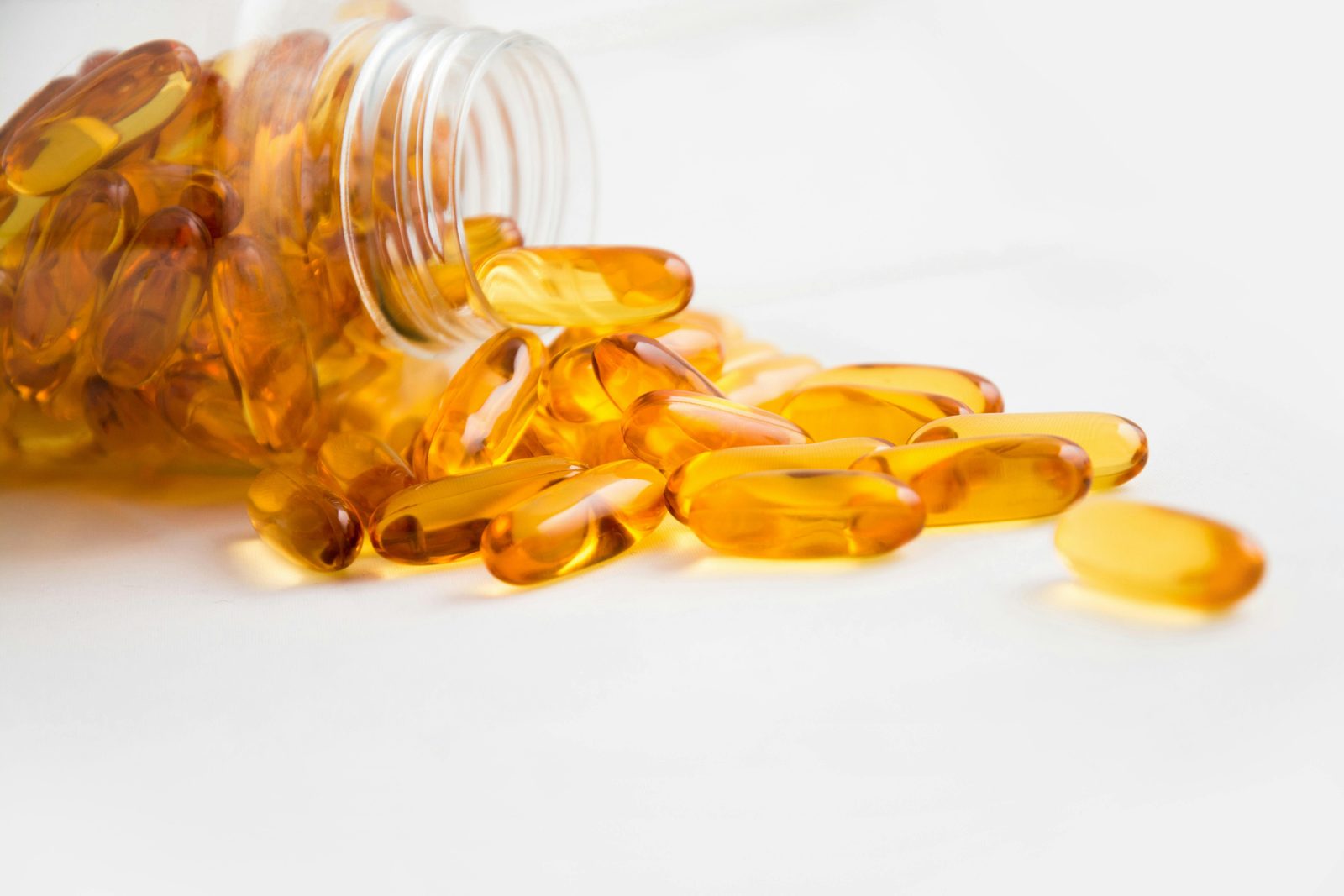
4. Omega-3 Fatty Acids (Fish Oil) Supports: Heart health, brain function, inflammation Why: Helps reduce heart disease risk and may slow cognitive decline Dose: 250–500 mg EPA/DHA/day
5. Magnesium Supports: Muscle, nerve, and bone function Why: Many seniors don’t get enough, especially if on diuretics Dose: 320–420 mg/day
6. Probiotics Supports: Digestive health, immune support Why: Can help with gut balance, especially if on antibiotics or with digestive issues Dose: Varies by strain; choose multi-strain with 5–10 billion CFUs
Optional (But Sometimes Helpful) Supplements
7. CoQ10 Supports: Energy production, heart health Especially useful if taking statins
8. Collagen or Protein Powder Supports: Muscle preservation, skin and joint health Great if appetite is low or protein intake is limited
9. Turmeric (Curcumin) Supports: Anti-inflammatory effects for joints and brain Look for supplements with black pepper for better absorption
Supplements to Be Cautious With
- Iron: Only take if you're deficient—too much can be harmful
- Vitamin A: Excess can be toxic, especially from synthetic forms
- Herbal supplements (like ginkgo or St. John’s wort): Can interact with medications
- Mega-doses of any vitamin or mineral: More is not always better
Choosing a Safe Supplement
- Look for third-party testing (USP, NSF, ConsumerLab)
- Avoid unnecessary fillers, added sugars, or unproven claims
- Stick to trusted brands and avoid buying from unknown online sellers
Final Thoughts
Supplements can be a smart part of healthy aging—but only when used wisely. Focus first on a nutrient-rich diet, and use supplements to fill in the gaps, not replace whole foods.
When in doubt, talk with your doctor or a registered dietitian to build a supplement plan tailored to your needs.