
Heart Health After 40: Key Tips for a Stronger Heart
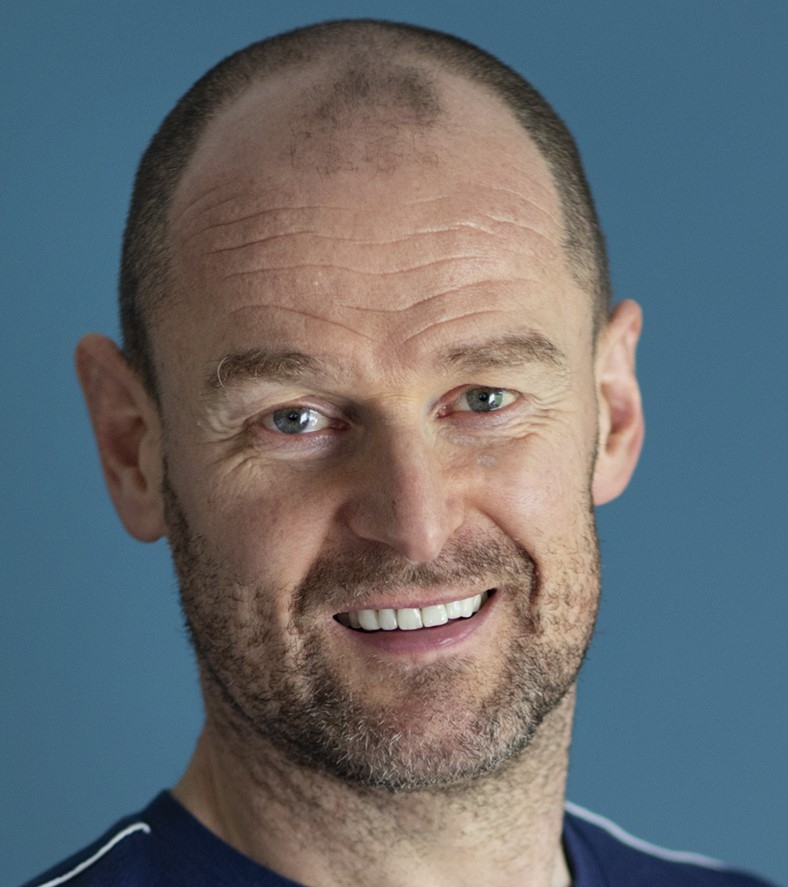

If you’re over 40, your heart has already worked more than 1.5 billion beats for you.
The question now is: how do you help it keep going strong for the next few decades?
The good news: for most people, heart disease is highly influenced by lifestyle. You can’t change your age or genetics, but you can absolutely change how your heart is treated every single day.
This blog will walk you through:
- What actually changes with your heart after 40
- The 5 big risk areas you can control
- Clear, practical steps you can start this week
- Where Heartwise (60+) and Livewell (35–55) at Healthwise fit in
What Changes With Your Heart After 40?
From your mid-30s onwards, a few things tend to happen:
- Blood pressure creeps up (especially with stress, weight gain, and lack of movement).
- Cholesterol and triglycerides can shift in the wrong direction.
- Waistlines expand, increasing visceral (belly) fat around the organs.
- Fitness drops if you’re sitting more and moving less.
- For women, menopause shifts hormones in a way that can increase heart risk.
None of this means you’re doomed. It just means the “coasting years” are over. You now need intentional habits to protect your heart.
Think of 40–60 as the “investment window” where good decisions pay off massively later.
1. Know Your Numbers (Don’t Guess)
You can’t manage what you don’t measure.
Key numbers to know:
- Blood pressure
- Resting heart rate
- Cholesterol (HDL, LDL, triglycerides)
- Blood sugar (fasting glucose / HbA1c)
- Waist measurement (belly fat marker)
Action steps:
- Book a check-up with your GP.
Ask specifically about BP, cholesterol and blood sugar screening if it hasn’t been done recently. - Track your blood pressure.
- Ideal is generally around 120/80 mmHg or lower (your GP will personalise targets).
- Home monitors are inexpensive and very useful.
- Measure your waist.
- Higher belly fat = higher risk for heart disease and diabetes.
- A shrinking waist is one of the best signs your heart risk is dropping.
If you’re already on heart or blood pressure meds, step one is taking them as prescribed. Lifestyle changes complement medication — they don’t replace it.
2. Move Your Body: Cardio and Strength
Cardio: Make Your Heart a Little Out of Breath
You don’t need marathons. You need regular, moderate effort.
Target:
- 150–180 minutes per week of moderate cardio
(for example: 30–40 minutes, 5 days per week)
Examples:
- Brisk walking (you can talk, but not sing)
- Treadmill or bike at a steady pace
- Rowing machine
- Dancing, cycling, swimming
If you’re new, older, or have a cardiac history, you start even easier:
- Short walks (5–10 minutes), 2–3 times per day
- Use effort out of 10 (RPE): aim for 3–4/10 to start
- Build time first, then speed later
This is exactly the type of approach we use in Heartwise – safe, coached progression.
Strength Training: The Underrated Heart Protector
Strength isn’t just for looks. It:
- Helps control blood sugar
- Supports healthy blood pressure
- Reduces joint pain → easier to stay active
- Preserves muscle mass and metabolism as you age
Target:
- 2–3 strength sessions per week
Think:
- Squats, sit-to-stands, step-ups
- Push-ups (against a wall or bench), rows with bands or dumbbells
- Light deadlifts or hinges, carries, presses
In Livewell, we build these in a small-group, coach-led setting so technique and load are appropriate for your age, joints, and fitness.
3. Eat Like Your Heart Matters (Because It Does)
You don’t need the perfect diet. You need a consistently decent one.
Simple heart-healthy rules:
- Half your plate veg & fruit
- More colour = more fibre and protective nutrients.
- Protein at each meal
- Helps control appetite and blood sugar.
- Think: fish, poultry, lean meat, eggs, Greek yogurt, beans, lentils.
- Choose better fats
- Use olive oil, nuts, seeds, avocado.
- Reduce deep-fried foods and trans fats.
- Swap refined carbs for whole foods
- White bread/pastries → oats, brown rice, potatoes with skin, wholegrain bread.
- Watch liquid calories
- Fizzy drinks, juices, creamy coffees add up quickly.
If weight is an issue:
You don’t have to chase the scale, but losing 5–10% of body weight can significantly improve blood pressure, cholesterol, and blood sugar. We normally do this in Livewell with:
- Slightly higher protein
- More veg / fibre
- Fewer ultra-processed snacks
- A realistic calorie intake – not a starvation plan
4. Sleep & Stress: The Hidden Heart Risks
Sleep
Poor sleep pushes up stress hormones and blood pressure, and makes it harder to control appetite.
Aim for 7–9 hours most nights.
Quick wins:
- 3–2–1 rule:
- 3 hours before bed: no big meals
- 2 hours: no work
- 1 hour: screens off
- Keep the bedroom cool, dark and quiet.
- Limit caffeine after 2 p.m.
Stress
Chronic stress keeps your nervous system “switched on” and can:
- Raise blood pressure
- Drive emotional eating and alcohol use
- Disturb sleep
You’re not going to erase stress, but you can bleed it off:
- A 10-minute walk after work
- 4-4-6 breathing (inhale 4, hold 4, exhale 6) for a few minutes
- Saying “no” more often and protecting downtime
- Talking to someone (coach, friend, therapist) instead of bottling everything
In Heartwise and Livewell, we don’t ignore stress and sleep — we coach around them because they directly affect your heart and your results.
5. Alcohol, Smoking & “Little Extras”
Alcohol
Regular heavy drinking is a real problem for heart health and blood pressure.
If you drink:
- Keep it to planned occasions, not every night.
- Have alcohol-free weeknights as your default.
- Always have food and water with it.
Smoking / Vaping
This one is simple, not easy:
- Stopping smoking is one of the biggest single upgrades you can give your heart.
- If you smoke, speak to your GP about supports, patches, or meds.
- Switch doesn’t have to be perfect, but direction matters.
When Do You Need Extra Support?
You should definitely talk to your GP or cardiologist if:
- You’ve had a cardiac event (heart attack, stent, bypass, AFib, etc.)
- You get chest pain, tightness, or unusual breathlessness
- You feel dizzy, light-headed, or have palpitations with light activity
That’s where a program like Heartwise is designed to step in:
- GP-aligned, coach-led small groups
- Gentle, progressive sessions at the right intensity
- Education on red flags, breathing, pacing, and confidence-building
If you’re 35–55, no major cardiac history, but you’ve got:
- Belly weight creeping up
- Blood pressure “borderline”
- Low energy, poor fitness
…then Livewell is usually the right starting point:
- 2–3 coached sessions per week
- Strength + cardio + mobility
- Simple, realistic nutrition guidance
Final Thoughts: Your Heart After 40 Is Not a Lost Cause
Your heart doesn’t suddenly “go bad” at 40, 50 or even 60.
It responds to what you repeatedly do:
- Walk more, lift some weights, sit a bit less.
- Eat mostly real food, not perfection.
- Sleep like it matters.
- Manage stress instead of drowning in it.
- Get help when you need structure and support.
If you want help turning this into a plan that fits your life — not someone else’s — that’s exactly what we do every day at Healthwise with Heartwise and Livewell.
You don’t need to be perfect.
You just need to start, and keep going.
— Dj O’Dwyer, Healthwise
FAQs
Find answers to your most pressing questions about our health and fitness programs.
We offer a variety of classes tailored for different fitness levels. From gentle stretching to strength training, there's something for everyone. Check our timetable for specific class schedules.
You can easily register for classes through our online booking system. Just select your desired class and follow the prompts. If you need assistance, feel free to contact us.
Yes, we offer flexible membership options to suit your needs. You can choose from monthly or annual plans. Membership includes access to all classes and facilities.
Our fees vary based on the type of membership and classes you choose. We strive to keep our pricing affordable. Visit our pricing page for detailed information.
Still have questions?
We're here to help you!